
Mobility aids for the home help people stay independent by making everyday tasks like walking, cooking, and moving between rooms safer and easier. Common options include walking aids, wheelchairs, and mobility scooters, each suited to different levels of mobility. Choosing the right aid depends on your balance, strength, and living environment, and professional guidance can help ensure the best fit.
The right choice depends on how much support you need, how often you’ll use it, and how your home is set up.
Mobility Aids That Make Everyday Chores Easier
For many people living with mobility challenges, whether due to ageing, injury, surgery recovery or long-term health conditions, everyday chores such as shopping, cooking, cleaning and moving around the home can become difficult.
Fortunately, modern mobility aids are designed to support independence, comfort and safety. When chosen correctly, they can make a real difference to your day-to-day life.

Elderly woman walking with the walker
Why Hire Mobility Aids?
Hiring mobility equipment is a flexible and cost-effective solution, particularly for short-term needs such as post-operative recovery or rehabilitation. It also allows users to trial equipment before committing to a purchase. At Direct Mobility we offer a wide range of mobility aids for hire, helping individuals remain active and independent without the burden of long-term ownership, plus allowing you to test equipment if you need to purchase in the future.
Wheelchairs: Manual & Powered
Wheelchairs are one of the most commonly used mobility aids and are available in a variety of formats depending on individual needs. At Direct Mobility, we offer both manual and powered wheelchairs for hire.
A wheelchair is often the best option if walking is difficult or tiring over longer distances, particularly during recovery or when energy levels are limited.
Manual Wheelchairs
Manual wheelchairs are ideal for users who have sufficient upper-body strength or those assisted by a caregiver. They are typically lightweight, easy to manoeuvre and suitable for both indoor use and short outdoor journeys.
Examples available for hire include:
- Lightweight manual wheelchairs for everyday use
- Manual wheelchairs with removable arms for easier transfers
- Specialist and paediatric wheelchair options
Manual wheelchairs can make everyday tasks such as moving around the home, shopping or attending appointments far more manageable.
Powered Wheelchairs
For individuals who experience fatigue, reduced strength or require greater independence, powered wheelchairs offer excellent support. These electric models allow users to move longer distances with minimal physical effort and provide greater freedom both indoors and outdoors. Examples of the type of powered wheelchair options can be found here.
Mobility Scooters: Manual & Powered Options
If walking long distances is challenging, but standing and short movements are still comfortable, a mobility scooter can be an ideal solution. Examples of the type of mobility scooters that can be hired for different environments and lifestyles can be life changing.
A mobility scooter is ideal if you can still stand and transfer safely but need support when travelling longer distances outside the home.
Types of Mobility Scooters Available
- Lightweight travel scooters that fold or dismantle easily for transport
- Mid-range scooters suitable for shopping trips and local travel
- Larger powered scooters designed for outdoor use and longer journeys
Mobility scooters help users maintain independence when running errands, visiting friends or attending appointments, reducing reliance on others for transport.
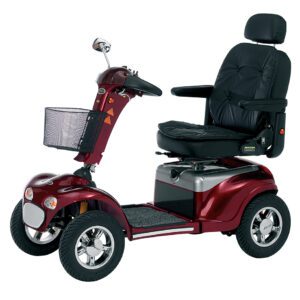
Mobility Scooters for hire at Direct Mobility
Comparison of Mobility Aids for Everyday Use at Home
| Mobility Aid | Best For | Not Ideal If | Key Benefit |
| Walking Aids | Mild support, balance issues | Severe mobility limitations | Lightweight and easy to use indoors |
| Wheelchairs | Limited mobility, longer distances | Tight spaces or frequent stairs | Full support with minimal effort |
| Mobility Scooters | Outdoor use, longer journeys | Small indoor spaces or narrow layouts | Greater independence outside the home |
| Crutches | Short-term injuries | Long-term use or poor upper strength | Simple and portable support |
Walking Aids for Everyday Support
Not everyone requires a wheelchair or scooter. For many people, walking aids provide the right balance of support while encouraging mobility. Direct Mobility’s walking aid hire range includes.
- Walking frames for stability indoors
- Wheeled walkers (rollators) for easier movement
- Crutches for short-term injuries or rehabilitation
Using the correct walking aid can reduce the risk of falls, improve confidence and make everyday household chores much safer and easier.
Walking aids are best suited to those who can still move independently but need extra stability and confidence when walking.
The Importance of an Occupational Therapist
Choosing the right mobility aid isn’t always straightforward. This is why working with an occupational therapist (OT) is so valuable. OTs are trained to assess a person’s physical abilities, daily routines and living environment to recommend the most suitable equipment.
An occupational therapist can:
- Assess whether a wheelchair, scooter or walking aid is most appropriate
- Ensure correct sizing and setup for comfort and safety
- Advise on home layout and adaptations to improve accessibility
- Help prevent strain, fatigue or injury from incorrect equipment use
Guidance from an OT helps ensure that the mobility aid you hire truly supports your independence rather than creating new challenges. Direct Mobility offers access to occupational therapy support to help customers make the right choice.
Making The Right Choice
The right mobility aids can transform everyday life, making routine chores safer, easier and less exhausting. From manual and powered wheelchairs to mobility scooters and walking aids, hiring equipment from a trusted provider like Direct Mobility offers flexibility and peace of mind.
By combining quality mobility equipment with professional guidance from an occupational therapist, individuals can make confident, informed decisions that support independence today and into the future.
If you’re unsure, start by identifying your biggest limitation, balance, distance, or fatigue, as this usually points to the most suitable type of mobility aid.
FAQS
What are the most common mobility aids used at home?
The most commonly used mobility aids at home include walking frames, rollators, wheelchairs, mobility scooters, and crutches. Each provides a different level of support depending on whether you need help with balance, short-distance movement, or full mobility assistance.
What assistive devices help with daily living activities?
Assistive devices for daily living include mobility aids like walkers and wheelchairs, as well as home support equipment such as grab rails, bed aids, and transfer supports. These tools are designed to reduce strain, improve safety, and make everyday tasks easier to manage independently.
What are the best mobility aids for seniors?
The best mobility aids for seniors depend on their level of mobility. Walking aids are ideal for light support and balance, while wheelchairs or mobility scooters are better suited for those who need assistance over longer distances or experience fatigue.
What is the best mobility aid for poor balance?
Walking frames and rollators are often the best mobility aids for poor balance, as they provide stable, multi-point support. In cases where balance is significantly affected, a wheelchair may be a safer alternative.
What kind of equipment helps with everyday tasks at home?
Equipment that helps with everyday tasks includes walking aids for movement, wheelchairs for longer distances, and mobility scooters for outdoor independence. Additional support equipment can also improve safety around the home and reduce physical strain.