
Bariatric mobility equipment is designed to provide safe, stable support for individuals who require higher weight capacity.
This includes:
- Bariatric beds for comfort and safe positioning
- Chairs for supported seating and easier transfers
- Wheelchairs for mobility and independence
- Moving and handling equipment for safe assistance
Choosing the right setup depends on your space, level of support needed, and how the equipment will be used. Getting this right helps improve safety, comfort, and ease of care at home.
If you’re exploring options, you can view our full range of mobility equipment hire solutions to understand what support is available.
What Is Bariatric Equipment?
Bariatric equipment refers to mobility and care equipment designed to safely support individuals who require higher weight capacities and additional stability. Unlike standard equipment, bariatric products are built with reinforced frames, wider dimensions, and stronger materials to ensure they can be used safely and comfortably over time.
This type of equipment is commonly used in both home and care settings, particularly where different types of mobility aids are needed to provide the right level of support.

Happy meeting in the tube between a smiling disabled woman and friend
What Does Bariatric Mean?
The term “bariatric” is used in healthcare to describe equipment and services designed for individuals who need additional support due to weight, mobility limitations, or related health conditions.
In practical terms, it means equipment that is specifically designed to be stronger, more stable, and better suited to daily use where safety is a priority.
When Do You Need Bariatric Equipment?
Bariatric equipment becomes necessary when standard mobility aids no longer provide enough support, comfort, or safety.
This often becomes clear when everyday tasks begin to feel more difficult or when there is a noticeable increase in strain or instability during movement. It’s not just about weight capacity, but about ensuring both the user and caregiver can move safely and confidently within the home.
Common signs that bariatric equipment may be needed include:
- Standard equipment feeling unstable or uncomfortable
- Increased effort required for simple movements
- Difficulty with transfers, such as getting in and out of bed or chairs
- Greater physical strain on caregivers during support
If any of these apply, it’s usually a sign that more suitable equipment is needed rather than trying to adapt standard options beyond their limits.
If you’re noticing these challenges following a procedure, it may help to explore equipment used after surgery to better understand what support is typically required.
Types of Bariatric Mobility Equipment
There are several types of bariatric equipment available, each designed to support different aspects of daily living.
Bariatric Beds
Bariatric beds are designed to provide safe, stable support during rest and recovery. They offer additional width and reinforced structure, making them suitable for individuals who may spend extended periods in bed. These beds also allow for better positioning, which can improve comfort and reduce strain.
For those preparing a home environment, you can explore hospital bed hire options to ensure the right level of support is in place.
Bariatric Chairs
Bariatric chairs provide supportive seating with wider frames and enhanced weight distribution. They are particularly useful for daily use, helping individuals sit and stand more comfortably while reducing pressure on the body.
Choosing the right seating can be just as important as mobility, particularly when considering the right chair for older individuals and long-term comfort.
Bariatric Wheelchairs
Bariatric wheelchairs are built for strength and durability, and understanding the different types of wheelchairs can help you choose the most suitable option. They are ideal when mobility is limited over longer distances and when additional stability is required.
Bariatric Moving and Handling Equipment
In many situations, mobility equipment alone is not enough. Safe movement within the home often requires additional support, particularly where assistance from a caregiver is involved.
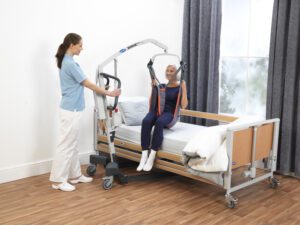
Bariatric moving and handling equipment is designed to make transfers safer and more manageable. This includes equipment such as hoists and transfer aids, which help reduce physical strain and lower the risk of injury.
Using the correct handling equipment can make a significant difference, not only in terms of safety but also in maintaining dignity and comfort during everyday routines.
In situations where additional support is required, exploring moving and handling equipment hire can help ensure safe and practical transfers.
Choosing the Right Bariatric Equipment
Choosing the right equipment is not just about selecting the strongest option available. It’s about finding the right balance between safety, usability, and how the equipment will work within your home.
A helpful starting point is identifying the main limitation you’re trying to solve. For example, if movement around the home is the biggest challenge, a wheelchair may be most suitable, whereas if comfort and support during rest are the priority, a bariatric bed becomes essential.
When making your decision, it’s important to consider:
- The required weight capacity and level of support
- Available space within the home, including doorways and room layout
- How frequently the equipment will be used
- Whether caregiver assistance is needed for daily tasks
Taking these factors into account will help ensure the equipment is not only safe, but practical to use on a daily basis. If you’re unsure, seeking professional guidance can help you choose with confidence from the outset.
If you’re unsure what setup is most appropriate, speaking with an occupational therapist can help assess your needs and recommend the safest solution.
Bariatric Equipment vs Standard Equipment
Understanding the difference between bariatric and standard equipment can help you make a safer and more informed decision.
Key Differences at a Glance
| Feature | Standard Equipment | Bariatric Equipment |
| Weight Capacity | Limited | Higher capacity for increased safety |
| Width & Size | Standard dimensions | Wider for improved comfort and stability |
| Frame Strength | Standard materials | Reinforced construction |
| Stability | Moderate | Enhanced for safer movement |
| Suitability | General use | Higher support and safety requirements |
In most cases, bariatric equipment is not just about supporting more weight, it is about improving safety, comfort, and long-term usability.
Common Mistakes to Avoid
One of the most common mistakes is choosing equipment based on guesswork rather than actual need. This can lead to discomfort, reduced safety, and unnecessary complications.
Another issue is overlooking how the equipment will be used within the home. Even the best equipment can become difficult to use if space and layout are not considered.
It is also important not to rely on standard equipment where it is no longer suitable. Doing so can increase the risk of strain or injury over time.
Final Thoughts
Bariatric mobility equipment plays a vital role in supporting safe, comfortable daily living. Whether it’s a bed, chair, wheelchair, or handling equipment, choosing the right setup can make a meaningful difference to both independence and quality of care.
Taking the time to understand your needs, assess your environment, and choose equipment designed for safety will help you avoid unnecessary challenges and ensure the best possible outcome.
If you are unsure where to start, seeking advice before making a decision can help you feel confident that you are choosing the right support for your situation.
If you’re still weighing up your options, understanding why hiring mobility equipment can be a flexible and practical solution may help you make the right decision. If you’d prefer to talk it through, feel free to contact us and we’ll help you choose the right setup for your situation.
FAQs
What is bariatric equipment?
Bariatric equipment refers to mobility and care equipment designed to safely support individuals who require higher weight capacities and enhanced stability. This includes beds, chairs, wheelchairs, and handling equipment built with reinforced structures for safe daily use.
What is meant by bariatric?
“Bariatric” is a term used in healthcare to describe equipment and support designed for individuals who require additional assistance due to weight, mobility limitations, or related conditions. It typically refers to equipment that is stronger, wider, and more durable.
What is a bariatric bed used for?
A bariatric bed is used to provide safe, comfortable support for individuals who require higher weight capacity and more space. It is commonly used in home care and recovery settings to improve comfort, positioning, and safety during rest.
What equipment is used for bariatric moving and handling?
Bariatric moving and handling equipment includes hoists, transfer aids, and support devices designed to help move individuals safely. This equipment reduces strain on caregivers and lowers the risk of injury during transfers.